
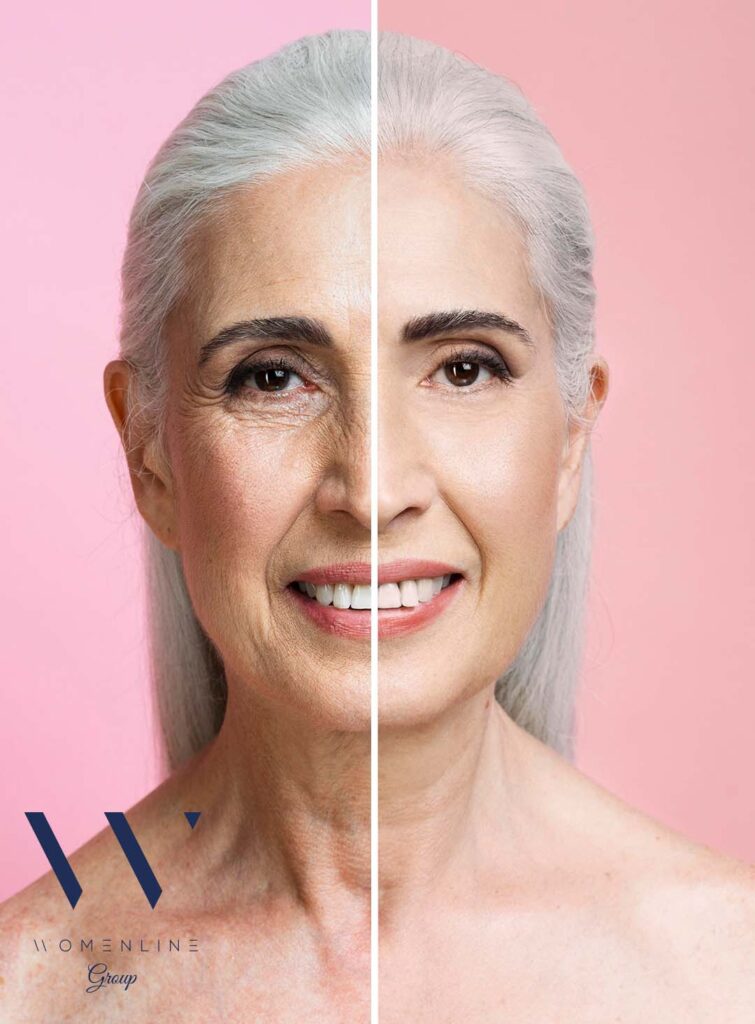
Non-ablative resurfacing (ND:YAG)
Non-ablative resurfacing is an innovative, non-invasive and painless method of removing unwanted skin lesions using a laser. In contrast to the ablative method, it is a highly rejuvenating treatment with a short recovery period and the fewest risks. The non-ablative laser method brings a significant improvement in skin condition without damaging the epidermis.
Non-ablative Nd:Yag laser resurfacing is an advanced rejuvenation method characterised by its low level of invasiveness and ability to stimulate deep skin regeneration without damaging the epidermis.
The laser induces sub-threshold damage to the dermis, resulting in the stimulation of fibroblasts and an improvement in the condition of collagen fibres. Although resurfacing works on the top layer of the epidermis, the laser affects the deep parts of the skin. The treatment does not ablate the skin, i.e. break the continuity of the epidermis. The fact that the outer layer of the skin is not damaged makes the treatment virtually painless. Very importantly, the patient can return to daily activities very quickly.
The treatment is designed for those wishing to reduce wrinkles, improve skin texture and achieve a lifting and brightening effect on the skin.
- mature people with pronounced wrinkles, furrows, sagging skin
- people who want to get rid of crow's feet
- people who have problems with scars or stretch marks
- Pregnancy, lactation
- Freshly tanned skin (break from tanning approx. 4 weeks)
- Use of self-tanning creams (break in use approximately 3 weeks),
Creams with retinol, AHA acids (discontinue use 3 weeks before treatment) - Photosensitisers: e.g. diuretics, antidepressants; retinoids, B-carotene, antibiotics, herbs: St. John's wort, calendula, (discontinue use 4 weeks before treatment)
- Vitiligo, psoriasis, scarring
- Strong mechanical or chemical peeling in the area to be irradiated (3 weeks prior to treatment)
- Diabetes, epilepsy, heart disease, hypertension
- Taking Roaccutane and Isotec (within the last 6 months),
Implanted pacemaker/defibrillator.
Typically, one laser resurfacing session lasts about 25-30 minutes. The treatment does not require anaesthesia as the laser works painlessly. After the treatment, you can immediately return to your daily activities. For some people, results are visible after just one session, but the best results can be expected after 4-6 treatments. Once the treatment cycle is complete, it is recommended to perform resurfacing every 3-6 months to maintain the effects. This treatment allows the skin to be visibly rejuvenated and refreshed, with a natural effect.
Non-ablative skin resurfacing very rarely causes any side effects, usually in the form of minor redness or itching. These usually resolve within 1-2 days. After treatment, overexposure to sunlight should be avoided for a few days and creams with SPF should be applied.
You will find the current price list here.